Search the site...

SOL DE MEDIANOCHE
  • DICIEMBRE 2025
  • NOVIEMBRE 2025
  • OCTUBRE 2025
  • SEPTIEMBRE 2025
  • AGOSTO 2025
  • JULIO 2025
  • JUNIO 2025
  • MAYO 2025
  • ABRIL 2025
  • MARZO 2025
  • FEBRUARY 2025
  • JANUARY 2025
  • Advertise with us!
  • Contact
  • DONATE
  • DICIEMBRE 2025
  • NOVIEMBRE 2025
  • OCTUBRE 2025
  • SEPTIEMBRE 2025
  • AGOSTO 2025
  • JULIO 2025
  • JUNIO 2025
  • MAYO 2025
  • ABRIL 2025
  • MARZO 2025
  • FEBRUARY 2025
  • JANUARY 2025
  • Advertise with us!
  • Contact
  • DONATE

In 2024, Your Voice Matters!​

by SDMN

Picture

The year 2024 is an election year, not only for the United States but across the whole world. In fact, nearly half of the world’s population, four billion people, will be eligible to vote this year in various elections around the globe. That’s why, now more than ever, we all must participate and make our voices heard. Because of this, Sol de Medianoche News is pleased to announce the return of Tu Voz Importa (Your Voice Matters), our civic engagement initiative to promote the power each person has to help build a better future for Alaska.

This year, in Anchorage, we will have several opportunities to vote: municipal elections, open primaries, and general elections. Throughout this year, we will bring you everything you need to know leading up to the upcoming elections and various ways you can participate in the civic life of your community. In Anchorage, for example, the next regular municipal election is on Tuesday, April 2, 2024. This election will be Vote by Mail. So, if you are eligible to vote, you will receive a ballot at your home no later than 21 days before election day. Ballots can be returned by placing them in a secure mailbox, delivering them to an Anchorage Vote Center (AVC), or mailing them via the US Postal Service with first-class postage.

The following positions will be decided in this election:
1. Mayor: The mayor is the chief executive of the municipality. In this role, the mayor is responsible for the overall well-being of the city. This responsibility is exercised in two roles. The mayor assumes a policy-making role by recommending policies to the assembly, breaking tied votes, and vetoing legislation. The mayor also fulfills an executive role by ensuring that laws are enforced, and that city officials and employees perform their duties properly.

2. One Anchorage Assembly Seat: Assembly representatives have duties such as attending regular meetings to discuss city policies and changes in laws. Voting on legislation to decide if motions become laws. Negotiating and approving the city budget. Meeting with constituents to discuss their issues and concerns.

3. Three seats on the Anchorage School Board: Individuals in these positions are responsible for developing the annual budget to direct the school system; establishing school policies; and hiring and evaluating the superintendent.
​

4. Five seats on the Service Area Board of Supervisors: These positions serve a specific geographic area to oversee local road, fire, or recreational services.


If you are unsure of which address you have registered, you can check your information at myvoterinformation.alaska.gov. To register to vote, or to update your voter registration information, visit voterregistration.alaska.gov. To be eligible to vote, you must register with the Alaska Division of Elections no later than 30 days before election day or by March 3, 2024.

Picture
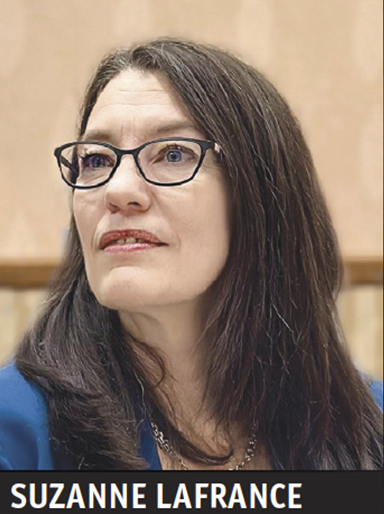
SUZANNE LAFRANCE
Mayor
​

1. What specific policies or initiatives do you plan to enact to improve the city’s economy, and why do you believe they would be effective?
To improve our economy, we need to make Anchorage a better, more affordable place for people to live and work. First, we need better leadership from the mayor. People don’t want to live and work in a place where streets don’t get plowed and where hundreds of people are sleeping outside in the snow because they have nowhere else to go. We also need to make it more affordable to live here. Too many hardworking families are struggling to afford things like housing and childcare and food. As mayor I will focus on making it more affordable to live here, including housing and childcare. Finally, we need to make it easier to start and grow a business. The Municipality needs to go from being a barrier to local businesses to being a partner.
2. Anchorage is one of the most diverse cities in the country. How do you plan to ensure that the city is an inclusive and welcoming place for people from different backgrounds?
We need to make Anchorage a place where everyone feels welcome, no matter where you are born or who you love or what language you speak. It’s not enough just to say those things. As mayor, I will make sure our local government better reflects our community, including in leadership positions, and that the Mayor’s Office is open to diverse community groups. The Anchorage I want to see is one where everyone who lives here can feel pride in themself and their community.
3. Language equity is a significant issue for a wide variety of voters for whom English is not their first language. They often face countless obstacles to finding the information they need from the municipality. What proposals do you have to address this issue?
Anchorage is a diverse community, and it is time to embrace that. It is the job of the Municipality to make information easy to access. I support budgeting for language access and translation, especially when it comes to voting and important opportunities to participate. The Municipality can’t do this work alone. We must work with organizations and language speakers to translate information and make it more available to everyone.
4. Many voters around the country are concerned about the health of U.S. democracy. How will you ensure that civic values remain strong during your administration?
In the past few years, we have seen fighting and scandals and threats to the health of our local government. As mayor, I will bring respect, civility, and competence to Anchorage. I will make sure that everyone in our city has equal access to their rights and feels safe accessing those rights: from voting to practicing the individual rights we all have in a democracy.

Picture
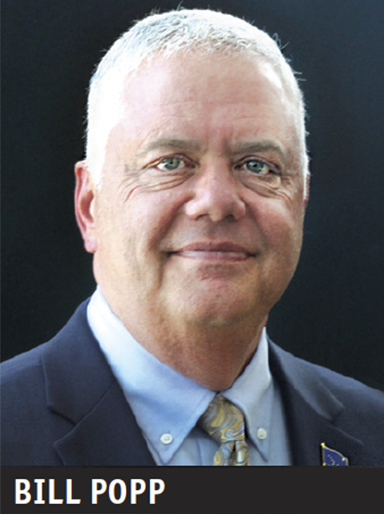
BILL POPP
Mayor


1. What specific policies or initiatives do you plan to enact to improve the city’s economy, and why do you believe they would be effective?
Anchorage’s major economic challenge is a workforce shortage, with one in 10 working-age adults lost since 2013. My mayoral strategies include: 1. Enhancing workforce skills through training. 2. Improving education for youth to boost career readiness. 3. Marketing Anchorage for job opportunities. 4. Welcoming immigrant workers to fill job gaps. 5. Reinvesting in the city, and fully funding schools, universities, and infrastructure, will create a thriving environment for growth.
2. Anchorage is one of the most diverse cities in the country. How do you plan to ensure that the city is an inclusive and welcoming place for people from different backgrounds?
In my 16-year career as an economic developer, I’ve championed diversity, equity, and inclusion. Anchorage’s success hinges on these principles across government, community, and the economy. I’m committed to equal opportunities in education, training, and economic prospects for all residents. As Mayor, I’ll prioritize inclusive governance, reflected in community engagement and decision-making. Advocating for well-funded schools and universities, I aim for quality education citywide. I’ll celebrate and promote Anchorage’s cultural diversity, recognizing its strength. My goal is a city where every resident feels safe, has equal access to opportunities, and enjoys a thriving, inclusive community.
3. Language equity is a significant issue for a wide variety of voters for whom English is not their first language. They often face countless obstacles to finding the information they need from the municipality. What proposals do you have to address this issue?
I’ll ensure Anchorage provides comprehensive language translation services for government accessibility, utilizing both internal resources and third-party services for online and in-person interactions. Prioritizing enhanced English language education, I’ll collaborate with educational partners, state, and federal agencies, and non-profits to better serve those in need. My goal is to facilitate full participation in government, the economy, and the community for everyone.
4. Many voters around the country are concerned about the health of U.S. democracy. How will you ensure that civic values remain strong during your administration?
I prioritize collaboration for Anchorage’s success, emphasizing that partisanship risks democracy. I value diverse ideas from the public, municipality staff, and the Anchorage Assembly. While disagreements are inevitable, I embrace civil debates and acknowledge that not all my ideas may prevail. I commit to not taking losses personally and avoiding anger. My door will always be open to the Anchorage Assembly, community groups, businesses, and residents, providing opportunities for discussion and respect. This approach safeguards democracy’s health in Anchorage, fostering a community where differing opinions are heard and valued.

Picture
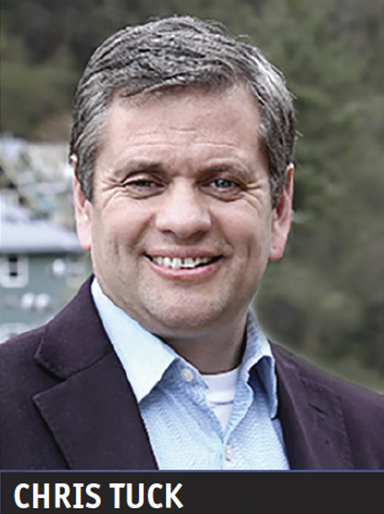
CHRIS TUCK
Mayor


1. What specific policies or initiatives do you plan to enact to improve the city’s economy, and why do you believe they would be effective?
Together, we can create more economic opportunities through policies and programs that provide equitable opportunities for employment, entrepreneurship, and development in underserved and minority communities to reduce economic disparities.
I would like to make more industrial parks in Anchorage so that we may produce physical wealth through value added industries from our natural resources. Manufacturing is the best way to produce a physical goods economy and take control of our own economic destiny.
Let’s make Anchorage a place where ideas and innovation flourish, education is the highest quality and as a result the economy thrives, and jobs are rewarding and the homeless have hope.
2. Anchorage is one of the most diverse cities in the country. How do you plan to ensure that the city is an inclusive and welcoming place for people from different backgrounds?
I will engage with community leaders within different cultural communities to get insights into the needs and concerns of their members and help design and implement inclusive policies.
I want Anchorage to be known as the City of Cultures by celebrating various cultures with festivals, parades, art exhibits, and other events to foster appreciation and understanding among diverse community members.

I will ensure city services, including education, healthcare, and law enforcement, are accessible and sensitive to the needs of diverse populations.
3. Language equity is a significant issue for a wide variety of voters for whom English is not their first language. They often face countless obstacles to finding the information they need from the municipality. What proposals do you have to address this issue?
I will provide multilingual information and translation services in public settings, on websites, and during meetings to ensure non-English speakers are informed and can participate.
As a legislator, I passed the Alaska Reads Act, making sure a student can read proficiently in any language. Once they learn to read, then they can read to learn additional languages including English.
4. Many voters around the country are concerned about the health of U.S. democracy. How will you ensure that civic values remain strong during your administration?
I will restore faith in municipal government by respecting the institution and the people it is intended to serve. In the spirit of togetherness, we need to have a shared vision so that everyone knows what we are doing, what their role is, how they can help and share in the success.
I believe in the unlimited potential of people working together. That is power. Together we are smarter. Together we are stronger. Together we can make Anchorage a place we all can be proud of. The art of politics isn’t the art of compromise, it is the art of possibility. Together we can achieve more.

Picture
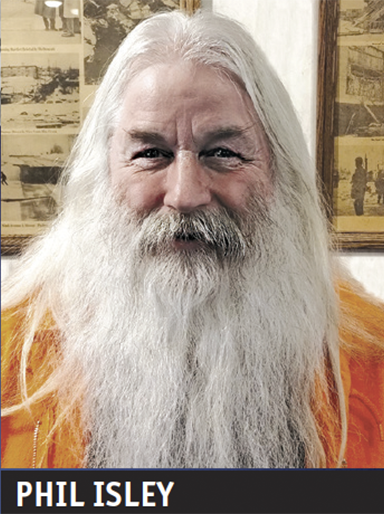
PHIL ISLEY
Mayor

1. What specific policies or initiatives do you plan to enact to improve the city’s economy, and why do you believe they would be effective?
I would attempt to redirect some of the COVID funds to business if I could find some the Assembly stashed. Anchorage has a couple of economic development groups that support new development and growth. I would support them as well as possible.
2. Anchorage is one of the most diverse cities in the country. How do you plan to ensure that the city is an inclusive and welcoming place for people from different backgrounds?
Right now, Anchorage is not a welcoming place. Our spending is out of control. It seems like the Assembly wants to turn the city into a giant homeless shelter. However, I feel their policies kill about 20 homeless people a year and it is used to request more funds that appear to make the problem worse. It is time to give back to Anchorage and give everyone a job.
3. Language equity is a significant issue for a wide variety of voters for whom English is not their first language. They often face countless obstacles to finding the information they need from the municipality. What proposals do you have to address this issue?
I find it difficult to get information from the municipality and school district. I would encourage you to consider electing better Assembly members and get more involved in our local politics. The city is not headed in a good direction.
4. Many voters around the country are concerned about the health of U.S. democracy. How will you ensure that civic values remain strong during your administration?
I would call on the Assembly and all municipal employees to follow the law. Like I said, it is time to give back to the city and encourage the citizens to become more engaged and take back control of our city, state, and republic.

Picture
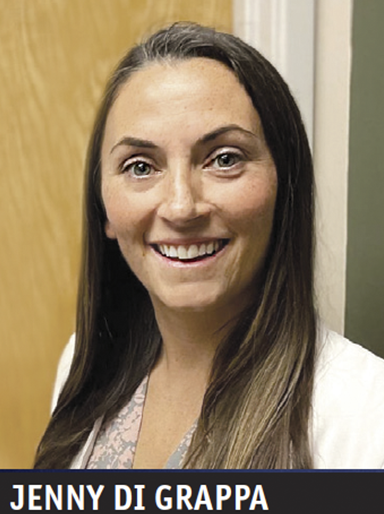
JENNY DI GRAPPA
Mayor


​1. What specific policies or initiatives do you plan to enact to improve the city’s economy, and why do you believe they would be effective?
Ensuring access to affordable, quality childcare is the most important opportunity we have to improve our economy, followed by increasing our available housing supply. We need to creatively use the current Prop 14 municipal tax revenue dedicated to improving childcare to support stable operations and increase the number of childcare facilities, as well as to boost professional development training and support. I believe in addition to the current housing action steps being taken by the administration, we need to continue to seek more funding and leverage public-private partnerships that provide additional low to moderate income housing.
2. Anchorage is one of the most diverse cities in the country. How do you plan to ensure that the city is an inclusive and welcoming place for people from different backgrounds?
I am proud of my Cuban, Italian and Norwegian heritage, and have a deep respect for all cultures. I will make it a priority to have city services and facilities accessible to all residents, regardless of language, ability, or cultural background. I will champion affordable housing initiatives and policies that promote socio-economic diversity as well as involve residents from diverse backgrounds in the urban planning process. I will elevate diversity training for administrative staff and invite local businesses and organizations to increase these trainings for our broader community. I will encourage diversity and inclusion in the local business sector as well as in our education system. Last, I will collaborate with and support the nonprofit and civic organizations that serve marginalized communities.
3. Language equity is a significant issue for a wide variety of voters for whom English is not their first language. They often face countless obstacles to finding the information they need from the municipality. What proposals do you have to address this issue?

To address language equity, I will work with diverse communities to understand if the MOA 2022 Language Access Plan is adequate and that it is used to ensure residents, regardless of their language proficiency, have equal access to essential services, information, and programs. This includes providing language interpretation and translation services in public facilities, government offices, and during community events.
4. Many voters around the country are concerned about the health of U.S. democracy. How will you ensure that civic values remain strong during your administration?
From my childhood to my time working and volunteering across the nonprofit sector in Alaska for 18 years, I have a strong commitment to diversity, equity, and justice. I believe in the freedom of speech as well as the importance of taking responsibility for one’s actions. I will lead the administration and our community to hold civic values in the highest regard and encourage civic discourse and tolerance.

Picture
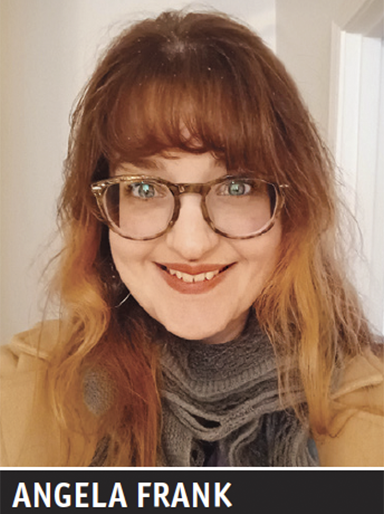
ANGELA FRANK
School Board / seat F

1. With a deficit of nearly $100M and a school district facing potential cuts, how do you plan to ensure that our students receive a well-rounded education in the city?
Like school administrators and staff, teachers, parents, and even our children, we feel the significant impact this deficit is going to have on our students and their future. I’m disappointed in our governor ignoring our outcry and referring that Anchorage simply has, “an accounting problem.” Upon being elected for the school board, I promise to do my best to support education and growth for our children by listening to community members and work together to combat adversity.
2. Anchorage is one of the most diverse cities in the country. How would you ensure that the city’s schools are inclusive and welcoming for people from different backgrounds?
I love Anchorage for this reason. I want to make sure that every student feels welcomed and safe coming to school. I hope to do this by promoting teacher and staff training and emphasizing education on the negative effects of bullying and drug-use. Our students deserve an environment to thrive both academically and socially. I will go to every school in our district to present and teach myself if I need to.
3. Language equity is an important issue for a wide variety of voters for whom English is not their first language. They often must deal with countless obstacles to find the information they need from the municipality. What proposals do you have to address this issue in the city’s schools?
We need to utilize tools that help individuals who don’t speak English as their first language, promote education for learning language, and encourage individuals with the knowledge of multiple languages to be in our schools.
4. There has been a nationwide discussion about the representation and history of the LGBTQ community and communities of color in the classroom. What is your stance on this discussion and the role these communities play in education?
I fully support the LGBTQ community and youth. It is our role as school administrators, staff and parents to create a safe environment for students where they feel heard and accepted no matter their gender or sexual orientation. We have schools so that our children can learn and to be the individuals they want to be, above all else. This is why I’m running for school board.

Picture
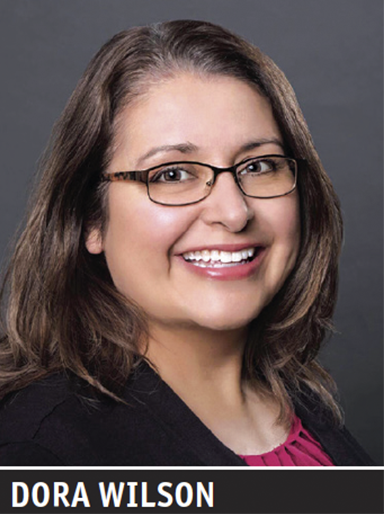
DORA WILSON
Seat F Incumbent

1. With a deficit of nearly $100M and a school district facing potential cuts, how do you plan to ensure that our students receive a well-rounded education in the city?
I ran for the School Board in 2021 to help ensure fair and equitable education for all our students. The Board has looked at every area where we can make cuts or streamline services, so the core curriculum is not affected. I supported the advancement of a new Academy model within the district that empowers students through college and career exposure so they can obtain real-life experience and make informed decisions about their lives after high school. This model features a core curriculum plus expands opportunities so that students earn certifications in everything from aviation, EMT, culinary, and childcare to college credits through a dual degree program.
6. Anchorage is one of the most diverse cities in the country. How would you ensure that the city’s schools are inclusive and welcoming for people from diferent backgrounds?
As a Latina, parent, and foster parent, I recognize the power of public education as a means to change one’s economic and social status and self-worth. I will not support policies that stand to create more imbalance in the educational system.
7. Language equity is an important issue for a wide variety of voters for whom English is not their first language. They often must deal with countless obstacles to find the information they need from the municipality. What proposals do you have to address this issue in the city’s schools?
As a school district, we need to ensure our English Learners have sufficient resources such as teachers, instructional materials, appropriate grade-level curricula, and language access services. While the ASD has policies in place to ensure these civil rights are honored, I will remain vigilant in tracking these items and taking action if the needs of our students or parents are not being met. I continue to spend time visiting schools, gaining first-hand knowledge of how things work, and asking for input on how policy can improve the communication process and address problems if they arise.
8. There has been a nationwide discussion about the representation and history of the LGBTQ community and communities of color in the classroom. What is your stance on this discussion and the role these communities play in education?
I firmly believe in fostering inclusivity, proactively providing necessary accommodations, and celebrating the unique strengths of every student.

Picture
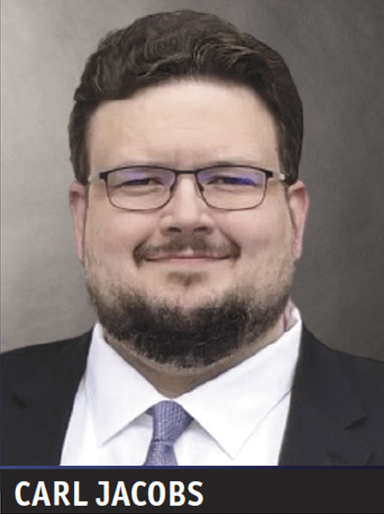
CARL JACOBS
BOARD / SEAT G

1. With a deficit of nearly $100M and a school district facing potential cuts, how do you plan to ensure that our students receive a well-rounded education in the city?
The Anchorage School District’s (ASD’s) mission is to educate all students for success in life. My career in serving vulnerable Alaskans and my time as a therapeutic foster parent to dozens of at-risk youths compelled me to run for School Board in 2021 to help ASD meet this core objective. Unfortunately, school districts across our state are grappling with budget deficits due to rising costs associated with inflation and flat funding from our state government. Roughly 57% of the funding used to operate ASD is received via the Foundation Formula written in Alaska Statute. Unfortunately, this formula has not been adjusted for inflation since 2016. I will continue to fight for our hardworking educators, support staff, and families to ensure our Legislature honors its constitutional obligation to maintain a system of education for all students.
2. Anchorage is one of the most diverse cities in the country. How would you ensure that the city’s schools are inclusive and welcoming for people from different backgrounds?
Alaska must take steps to grow, recruit, and retain high-quality education professionals who represent the diversity within our communities. In addition, we must break down barriers that prevent equity in access to special programs like Charter and Language Immersion schools via additional transportation and meal program supports. I am grateful the current School Board has agreed to make these items a key priority and will continue to be an advocate in this area.
3. Language equity is an important issue for a wide variety of voters for whom English is not their first language. They often must deal with countless obstacles to find the information they need from the municipality. What proposals do you have to address this issue in the city’s schools?
Improving communication and collaboration with all ASD stakeholders must be an ongoing process that helps to address this valid concern. Since being elected, I have drafted and implemented policies that prioritized student voices in our board meetings to increase civic engagement opportunities and added a parent seat to the School Board’s Communication Committee to increase parental involvement.
4. There has been a nationwide discussion about the representation and history of the LGBTQ community and communities of color in the classroom. What is your stance on this discussion and the role these communities play in education?
We are morally obligated to provide accurate, inclusive curriculum and a safe and welcoming learning environment for all students and educators. Hate and divisive political agendas have no place in our classrooms or libraries.
Picture

PROUDLY POWERED BY SOL DE MEDIANOCHE NEWS, LLC.
Sol de Medianoche is a monthly publication of the Latino community in Anchorage, Alaska